
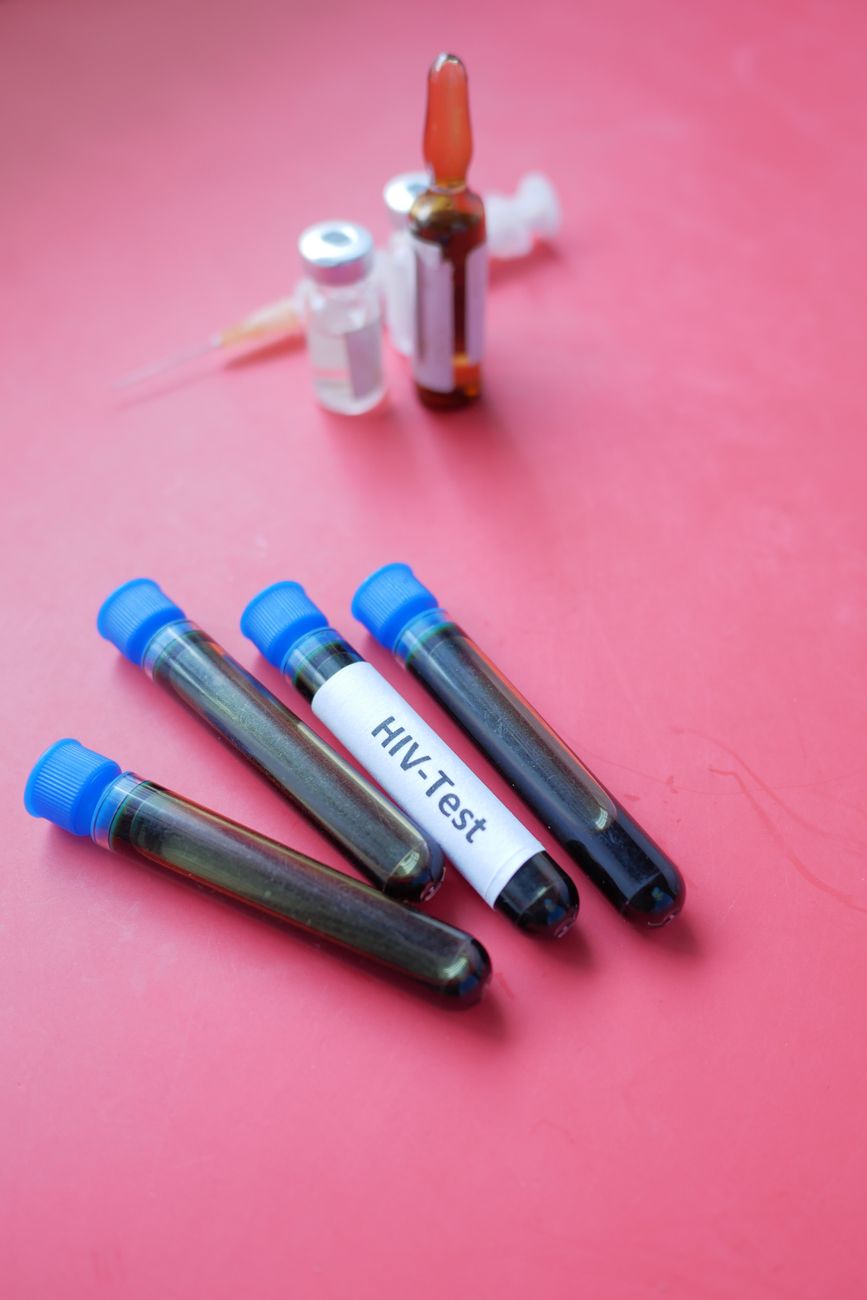
Each year on June 27, National HIV Testing Day is observed to encourage people to get tested for HIV so that they will know their status and begin the steps to treatment and care if necessary. The observation began in 1995 and continues decades later to help people live longer and reduce the spread of HIV.3 Many people with HIV do not know that they have it and roughly 40% of them transmit it unknowingly to others.4 This is why it is imperative that people know how to detect HIV, know their status, and how to prevent HIV transmission. In 2022, there were an estimated 1.2 M people living in the United States with HIV.4
What is HIV and Why Testing Matters2
HIV is a virus that attacks the body’s immune system. It is transmitted by bodily fluids (e.g., blood, semen, vaginal and rectal fluids, breastmilk) most commonly through sex but also through shared injection instruments (i.e., syringes, needles) by drug users. There is currently no cure, but the virus is treatable. HIV is a viral infection that can lead to AIDS, which is essentially the late stage of the HIV infection that occurs when the immune system has been severely damaged by the virus. This occurs when HIV has gone untreated. An individual is deemed to have AIDS when their number of CD4 cells fall under 200 cells/mm3. For reference, healthy individuals typically have somewhere between 500 and 1600 cells/mm3. People with AIDS typically survive for about three years or less depending on whether they are affected by “opportunistic infections”.2 Opportunistic infections are those that occur more frequently and are more severe in people with weak immune systems as defined by HIV.gov.
This is why it is important to get tested. Individuals can only know that they are infected by getting tested. Early diagnosis coupled with treatment can lead to longer life expectancy and a reduction in transmission. Individuals infected with HIV are treated with antiretroviral therapy (ART) which works to reduce the viral load in the blood to a very low level, which is called viral suppression.2 This treatment can help those with HIV to achieve and sustain an undetectable viral load which helps them to live longer, healthier lives and prevent transmission.2
Who Should Get Tested
The Centers for Disease Control and Prevention (CDC) recommends that everyone from age 13 to 64 get tested for HIV at least once. They recommend that other higher risk groups (e.g., males sleeping with males) be tested more often around every 3-6 months.4 Oftentimes, HIV is transmitted by people who do not know that they are infected. It is estimated that 40% of people who have transmitted HIV did not know that they were infected.4
Types of Tests
There are three tests used to test for HIV.
- Antibody tests check for the presence of antibodies in the blood or oral fluids of an individual. Most rapid tests and at-home tests are antibody tests.5
- Antigen/antibody tests typically detect HIV antibodies and antigens in the blood. These tests are the most commonly used HIV test as antigens typically show up sooner than antibodies.5
- Nucleic acid tests (NAT), considered “viral load tests” look for the presence of HIV in blood taken from a vein. The test detects and determines the amount of virus in the blood. This test is used to monitor HIV treatment and not used for routine screening due to its expense.5
Where To Go For Testing
Individuals have several options for getting tested. Testing can be done by health providers (e.g., clinics, substance abuse programs, community health centers, hospitals). They also have the option to self-test. These tests can be purchased at a local pharmacy or online. Some health departments provide them for free or at a reduced cost but this varies from state to state. To find a testing location near you, please visit either HIV Services Locator or https://gettested.cdc.gov for more information.
Understanding Your Results2
Upon the completion of testing, an individual will receive either a negative or positive test result indicative of the absence or presence of HIV. Negative results indicate an absence of HIV antibodies but does not guarantee that the person does not have HIV. It simply indicates that the test did not detect the virus at the time of testing. It is recommended that individuals with a negative test result retest and if that test is also negative, no additional testing is necessary as long as there is no suspected additional exposure during the period between the two tests.
If a person receives a positive test result, a follow-up test must be performed to confirm the accuracy of the initial test. If the initial test was done at home, the subsequent test must be performed by a health care provider. If the second test returns positive, the individual has HIV. Following diagnosis, the healthcare provider or clinic will help the person get started with next steps, likely beginning ART to reduce the viral load. Insurance is required to cover treatment for HIV and for those without insurance, there are state, federal, and private resources that can help to cover the cost of treatment.
Reducing Stigma Around HIV Testing
Even after several decades now, stigma around HIV still lingers. The CDC defines HIV stigma as the negative attitudes and beliefs about people with HIV. It is the prejudice that comes with labeling an individual as part of a group believed to be socially unacceptable. HIV stigma can keep people from getting tested and treated due to the fear of being negatively judged and discriminated against.1 Common misconceptions about HIV fuel and help to sustain HIV stigma. A common misconception is that only certain groups get HIV but that simply is not true. Anyone can get HIV, so it is important that people know how HIV is transmitted, though some people have a higher risk than others.
This can be changed, by encouraging open conversations which helps to normalize HIV, correct misconceptions about HIV and those who have it, and helps others to learn about HIV.1
How to Participate in HIV Testing Day
In observance of HIV Testing Day on June 27, there are a number of local events and free testing opportunities across the nation. Everyone can participate by encouraging friends and family to get tested and to know their status. Share information on social media with the hashtag #HIVTestingDay. To find these opportunities, visit HIV.gov for more information on sites and services available on HIV Testing Day. 2
Get Tested and Spread Awareness
For decades now, individuals have been encouraged to “know your HIV status”. Knowing one’s status helps them to choose options to stay healthy and in turn keep others healthy too. One does not have to wait for National HIV Testing Day to get tested, you can go today!
References
1. CDC. HIV Stigma. Centers for Disease Control and Prevention. Published November 3, 2022. https://www.cdc.gov/stophivtogether/hiv-stigma/index.html
2. HIV.gov. What are HIV and AIDS? HIV.gov. Published July 26, 2023. https://www.hiv.gov/hiv-basics/overview/about-hiv-and-aids/what-are-hiv-and-aids.3. National HIV Testing Day #HIVTestingDay. HIV.gov. Published 2022. https://www.hiv.gov/events/awareness-days/hiv-testing-day
4. National HIV Testing Day | NIH. hivinfo.nih.gov. https://hivinfo.nih.gov/understanding-hiv/hiv-aids-awareness-days/national-hiv-testing-day
5. National Institute of Health. HIV Testing | NIH. hivinfo.nih.gov. Published August 16, 2021. https://hivinfo.nih.gov/understanding-hiv/fact-sheets/hiv-testing


Leave a Reply